
 Vendon Cloud
 Use Cases
 Closed loop
 Engine systems
 Card readers
 Loyalty apps
 Cash systems
 About Coges
 Contacts
Choosing the right vending machine location is one of the biggest factors behind performance.
A modern vending machine with cashless payment, vending telemetry, and a strong product mix can still underperform in the wrong place. At the same time, the right location can turn an average machine into a consistent revenue point.
Today, success is less about how many machines are installed and more about how well each machine performs in its location. The focus has shifted toward utilisation, uptime, and smarter decision-making.
This guide explains how to choose the best locations for vending machines, what has changed in recent years, and where new opportunities are emerging.
Table of contents
- What makes a vending machine location successful
- Key factors for choosing the right placement
- Best vending machine locations
- New trends in vending machine placement
- Fresh placement ideas
- Common mistakes to avoid
- Location evaluation checklist
- FAQ
What makes a vending machine location successful
The best vending machine locations are not just busy. They are predictable.
High-performing machines are usually placed where people:
- return regularly
- spend time waiting or taking breaks
- need quick, convenient access to food, drinks, or coffee
This is why a vending machine in a staff break room or gym entrance often outperforms one in a high-traffic corridor.
The key principle is simple: vending works best where convenience meets routine.
Key factors for choosing the right placement
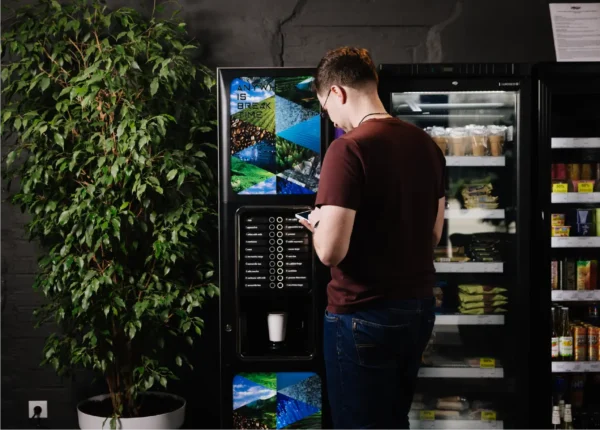
1. Repeat usage
Locations with daily or weekly users create stable sales.
Examples:
- workplaces
- campuses
- residential buildings
- gyms
These locations build habits, not just one-time purchases.
2. Dwell time
If people do not stop, they do not buy.
Strong locations include:
- waiting areas
- lounges
- break rooms
- reception zones
A simple rule applies here: if people check their phone there, they can use a vending machine there.
3. Behaviour matters more than category
Not all busy locations behave the same.
Some locations are driven by fast, convenience-led purchases. Others are habitual and repeat-based. That difference matters when deciding where to place a machine and what to sell in it.
Understanding this is key to improving vending machine performance. As explained in
How payment data helps you understand your customers, payment data reveals how people actually buy—showing spending comfort, transaction patterns, and how behaviour changes by location.
4. Product-location fit
The same vending machine setup will not work everywhere.
- offices → coffee, snacks, light meals
- gyms → water, protein, functional drinks
- residential → convenience, evening snacks
- hospitals → 24/7 mix for staff and visitors
Better fit usually means higher sales per machine and stronger long-term results.
5. Limited competition nearby
A vending machine performs best when it fills a gap:
- no nearby shop
- limited opening hours
- long queues
- slow service
Vending wins when it is the fastest and easiest option.
6. Operational efficiency
A location must also work operationally:
- easy access
- simple refilling
- safe environment
- efficient route planning
Strong sales alone do not guarantee profitability if servicing is inefficient.
Modern operators increasingly rely on connected vending machines and data to improve efficiency and reduce unnecessary visits. This shift is explored in Vending 2026: where operators will win or lose.
Best places to put a vending machine
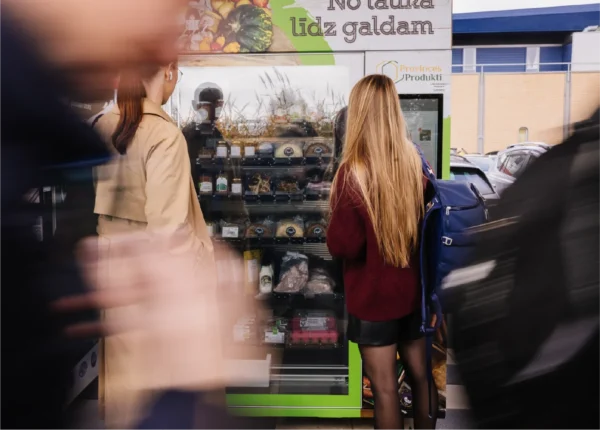
Workplaces: factories, warehouses, production sites
These remain some of the most reliable vending locations.
Why they work:
- predictable routines
- defined break times
- limited alternatives
- consistent daily demand
These locations are ideal for cashless vending machines and telemetry for vending machines, as regular usage patterns make performance easier to track and optimise.
Hospitals and healthcare facilities
Strong performance comes from:
- long waiting times
- 24/7 activity
- multiple user groups
These locations often deliver stable, all-day sales.
Schools, colleges, and universities
Best placements are inside:
- libraries
- student lounges
- dorm areas
- sports facilities
Placement inside the site matters more than simply being “on campus.”
Offices
Office vending still works, but only when evaluated correctly.
The key question is no longer just how many employees work there, but how many are present, how often they buy, and whether they stay on site during breaks.
Cashless payment systems and transaction data can help identify whether a location has real daily potential or only occasional usage.
Residential buildings and mixed-use spaces
This is one of the more interesting growth areas.
Strong placements include:
- apartment lobbies
- co-living spaces
- shared lounges
- mixed-use buildings
Convenience close to home is becoming more important, especially for evening and weekend consumption.
Gyms and sports locations
Fitness-focused vending continues to grow.
Best results usually come from:
- tailored product mix
- strong visibility
- placement near entry or exit
Transport and waiting areas
Examples:
- train stations
- car service centres
- laundromats
- public service buildings
These locations work because:
- people wait
- options are limited
- purchases are impulse-driven
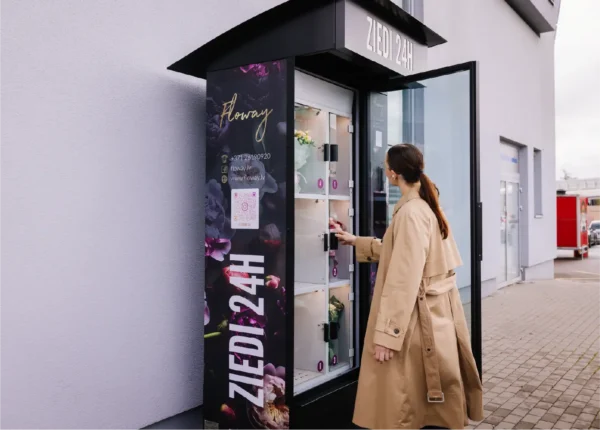
New trends in vending machine placement
From expansion to performance
The industry is no longer driven by adding more machines.
Growth now comes from:
- higher sales per machine
- better product availability
- stronger execution
This shift toward vending machine optimisation is a key theme in Vending 2026: where operators will win or lose.
From calendar-based to data-driven placement
Traditional vending relied on fixed routes.
Today, vending telemetry and connected vending systems allow operators to:
- track real usage
- identify underperforming locations
- optimise placement decisions
Location is no longer static—it is continuously evaluated.
From presence to uptime
A machine in the right location still loses revenue if it is not working.
Modern operators focus on:
- reducing downtime
- real-time monitoring
- faster interventions
In today’s market, availability directly affects revenue.
Payments influence placement success
Cashless vending, closed-loop payment systems, and transaction visibility are no longer optional.
They help operators:
- increase conversion
- reduce friction
- understand location performance
- compare sites more accurately
As explored in “How payment data helps you understand your customers”, payment behaviour can reveal whether a location supports growth, stability, or requires adjustment.
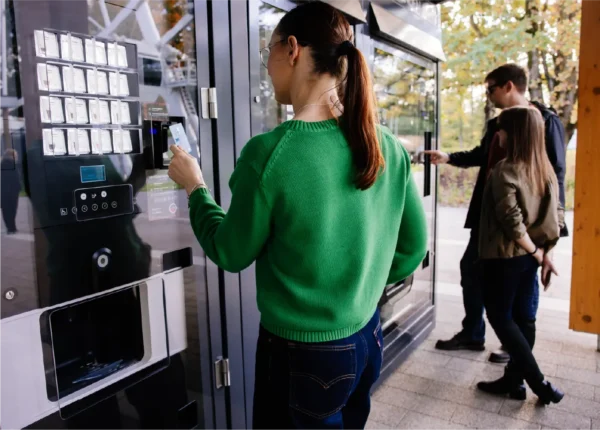
Fresh placement ideas worth testing
Operators looking to expand or improve performance should consider:
- apartment complexes with shared spaces
- co-living and student housing
- 24/7 gyms
- sports clubs and padel centres
- self-storage locations
- EV charging hubs
- car wash and detailing sites
- laundromats
- small business parks
- multi-clinic healthcare buildings
With connected vending and modern payment systems for vending machines, smaller or more distributed locations can now be managed more efficiently.
Common mistakes to avoid
- choosing locations based only on foot traffic
- placing machines where people do not stop
- using the same product mix everywhere
- ignoring nearby alternatives
- underestimating service complexity
- accepting locations without real usage data
Location evaluation checklist
A strong location should meet five criteria.
Before placing a vending machine, check:
| Audience | Who uses the location daily? How many people are actually present? |
| Behaviour | Do people stop or just pass through? Is there waiting time? |
| Competition
|
What alternatives exist nearby? |
| Visibility | Is the machine immediately visible? |
| Operations | Is servicing simple and efficient? |
FAQ
What is the best place for a vending machine?
The best place combines repeat users, dwell time, visibility, and limited alternatives. Common examples include workplaces, hospitals, campuses, residential buildings, and gyms.
Is high foot traffic enough?
No. Behaviour matters more than traffic. A smaller location where people stop will often outperform a busy pass-through area.
Are offices still good locations?
Yes, but only when real usage patterns support it. Payment behaviour and repeat usage provide a clearer picture than headcount alone.
How do you know if a location will perform?
The most reliable approach is to combine:
- observation
- operational logic
- payment data
- machine performance insights
Final thoughts
Successful vending machine placement is not about visibility alone. It is about fit.
The right location:
- matches the audience
- fits daily routines
- solves a convenience need
- supports efficient operations
In today’s market, performance is no longer about how many machines are placed—but how well each one works.